This profile of abalones (Haliotis spp.) provides a genus-level profile for living abalone images whose source records do not establish a species.
See Abalones clearly
Select any thumbnail to open the unobstructed full-size image in a separate window.
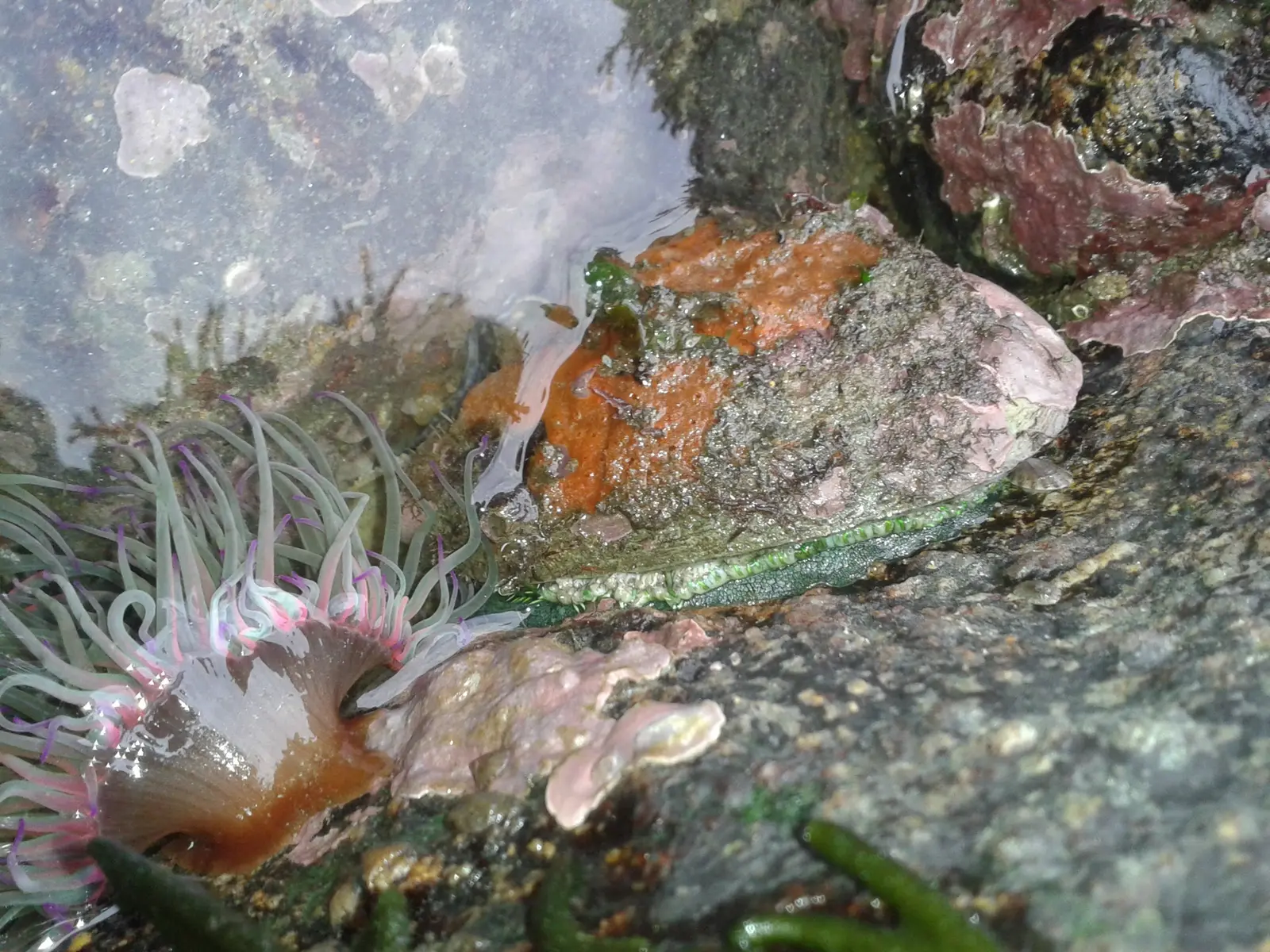
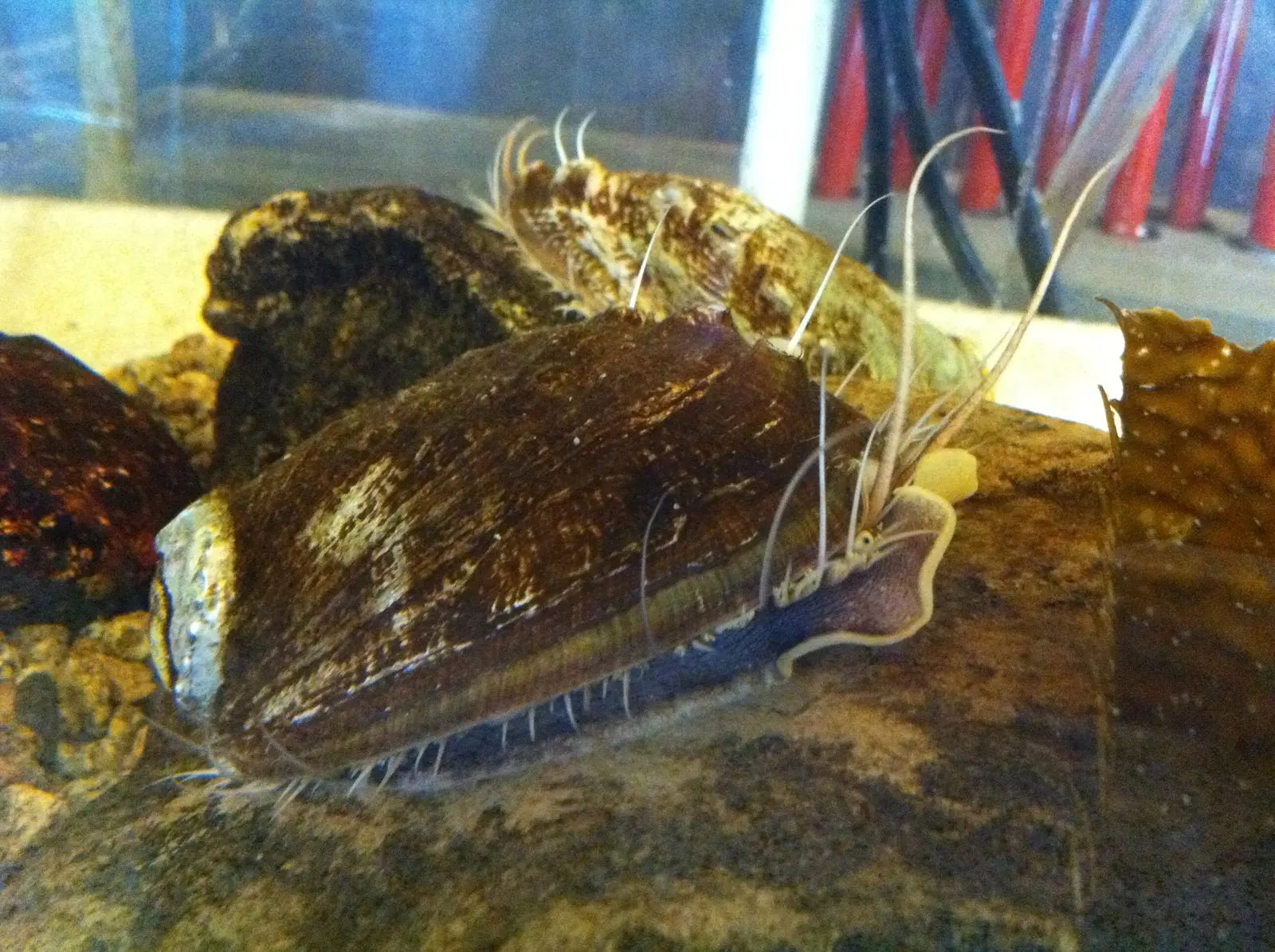
Identification required
Confirm the species identity before applying species-specific aquarium-care advice.
Species identification must be established before species-specific aquarium questions enter the care queue.
MLL planning guidance: identify the species and source population before selecting food, temperature, or housing. Successful conservation breeding is evidence of specialist capability, not a general home-aquarium protocol. Numerical operating limits are unverified and have been withdrawn pending species-specific evidence.
Habitat and Distribution
A genus-level profile for living abalone images whose source records do not establish a species. Its documented range includes Worldwide temperate and tropical coasts, Rocky shores, Reef habitat.
Feeding and Ecological Role
Abalones are primarily benthic grazers of algae and associated biofilm, but feeding requirements vary among species and life stages.
Conservation and Responsible Sourcing
Many abalone fisheries and populations are tightly regulated; verify the species, collection jurisdiction, and lawful origin. Verify legal origin, collection method, and current trade requirements before acquisition.
Conservation culture is species specific
NOAA documents captive spawning work with black abalone as part of conservation research. This example concerns one Haliotis species and specialist breeding infrastructure; it does not establish interchangeable care for all abalones.
What this means for aquarium care
MLL planning guidance: identify the species and source population before selecting food, temperature, or housing. Successful conservation breeding is evidence of specialist capability, not a general home-aquarium protocol.
A living record
Foundation profile reviewed against the World Register of Marine Species. Species-level media are bound only where the source record explicitly supports the taxon; unidentified abalone and sea-urchin records remain at genus or class level. Historical and superseded source names remain in provenance while the profile uses the accepted taxon. Public content last reviewed October 1, 2026.