Evidence before certainty
Scientific names, conservation information, and care guidance are reviewed against trusted sources.
The ocean is alive with connections
Explore marine species, discover the habitats that sustain them, and understand why informed care is essential to a healthier ocean.
Browse the library
Begin with a group, region, or habitat. Every path leads to the same idea: nothing in the ocean exists alone.
Species explorer
Search by common or scientific name, then narrow the library by group or Canadian ocean region.
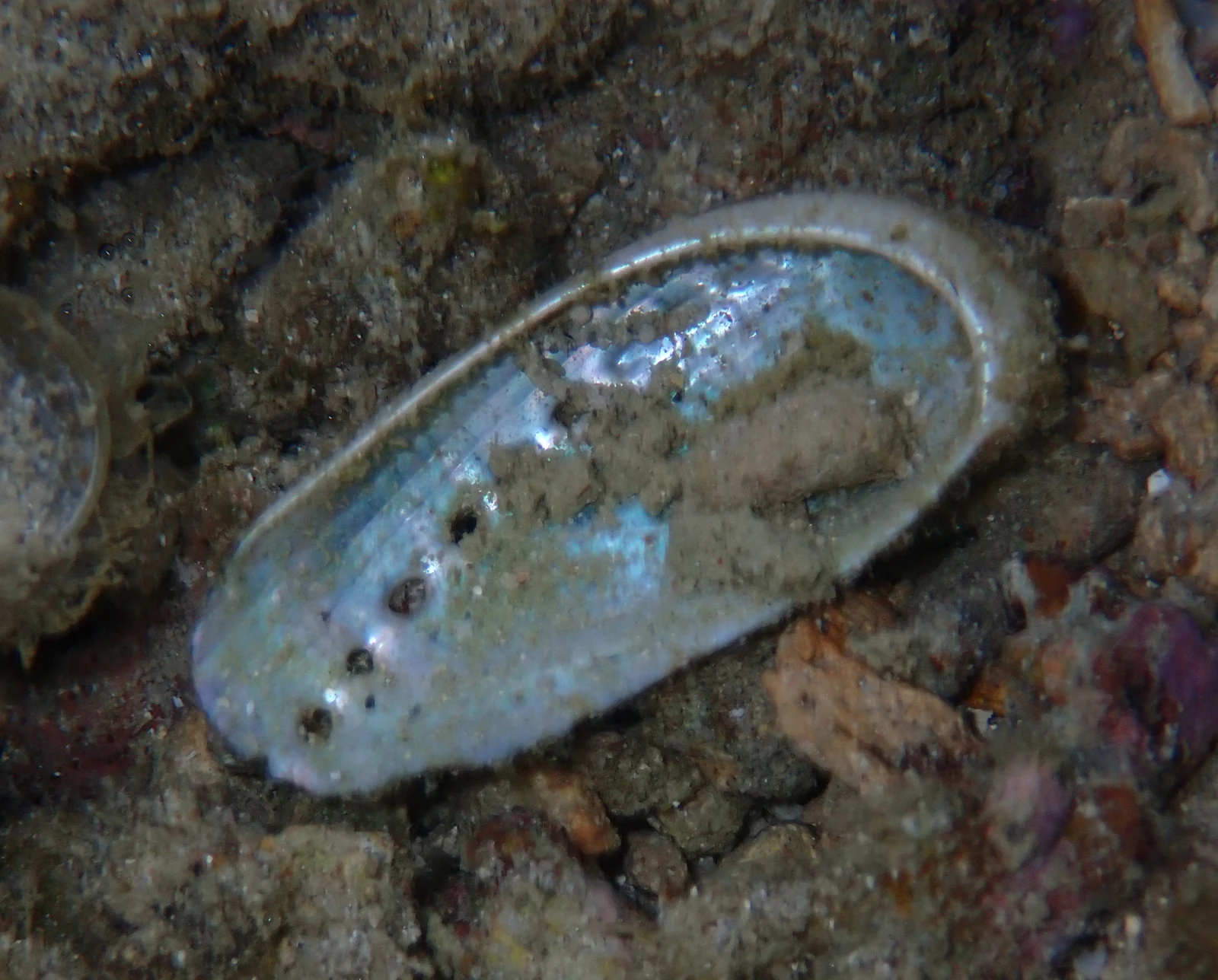
Haliotis asinina
Tropical abalone with a flattened ear-shaped shell, respiratory holes and a large muscular grazing foot.
View species profile →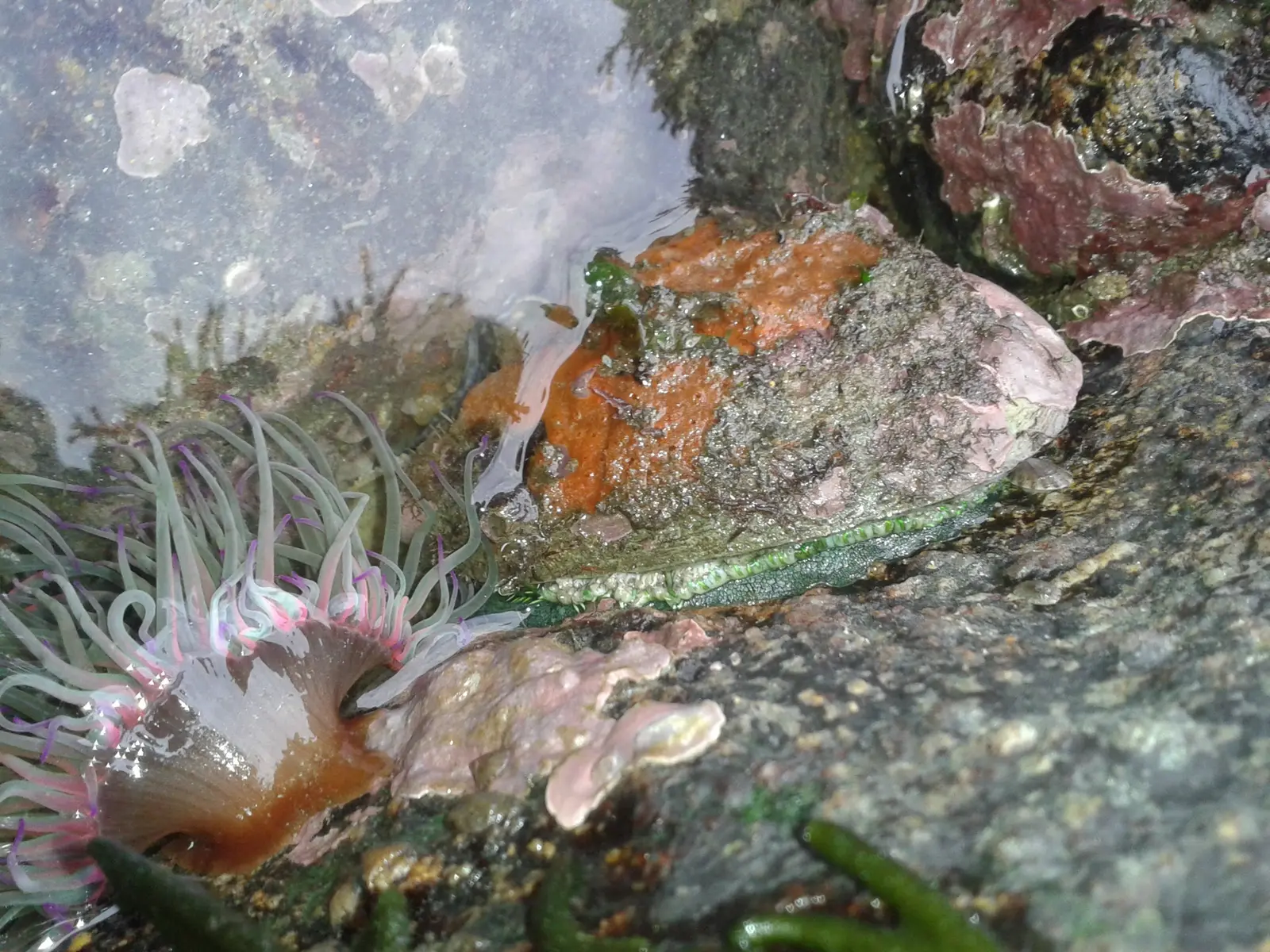
Haliotis spp.
A genus-level profile for living abalone images whose source records do not establish a species.
View species profile →
Coryphaenoides armatus
Abyssal Grenadier (Coryphaenoides armatus) is a Macrouridae fish. Deep slopes and abyssal seabed; do not imply hadal residency.
View species profile →Bathyraja ishiharai
Reliable identification requires the species diagnosis or a regional skate key; no simple photograph-only field mark was verified.. Naturalist Plateau (off Western Australia) and Tanzania.
View species profile →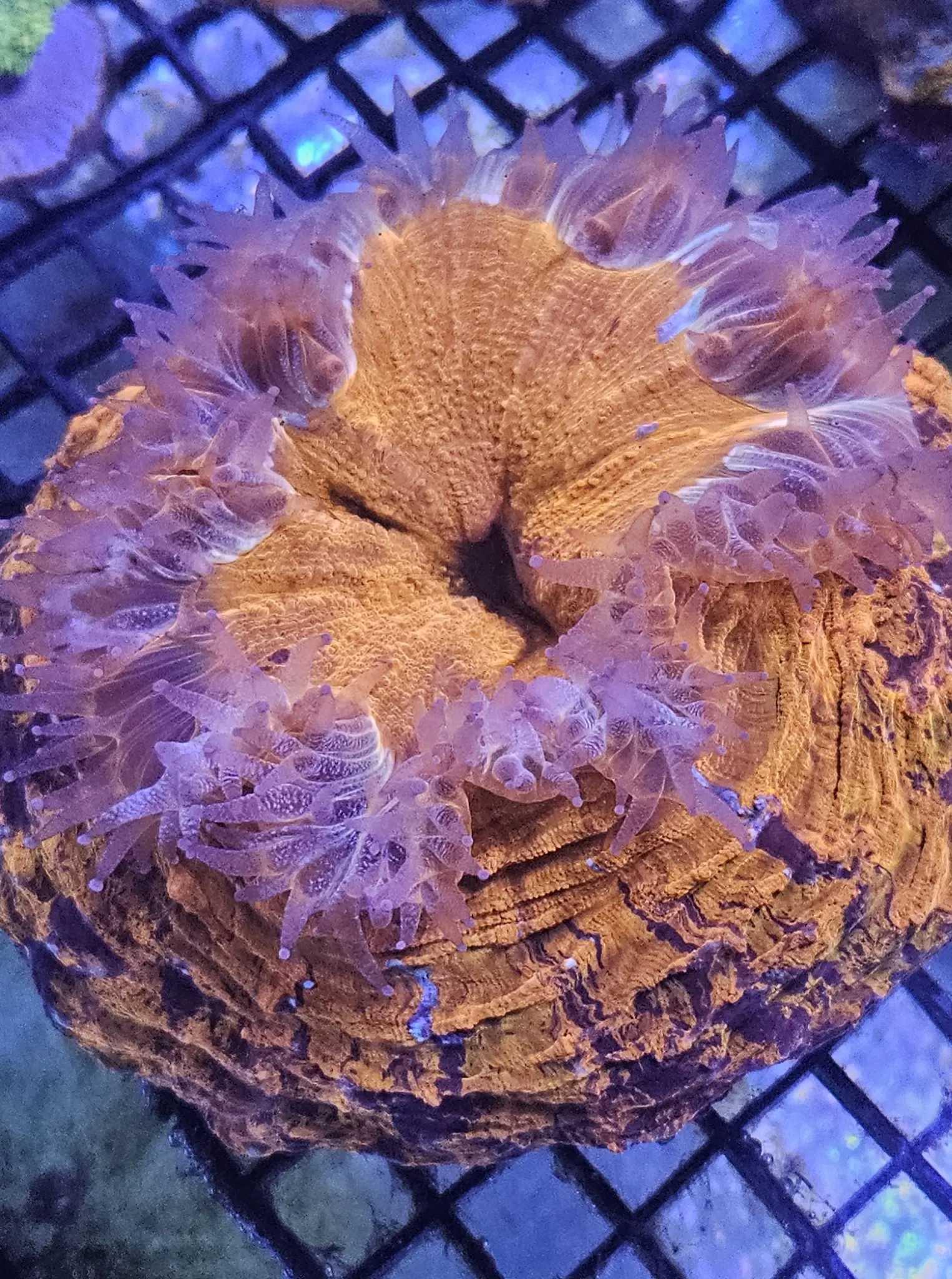
Acanthophyllia sp.
A conservative genus-level profile for large, solitary, fleshy corals sold as Acanthophyllia or donut corals. Species-level identification is withheld without skeletal and origin evidence.
View species profile →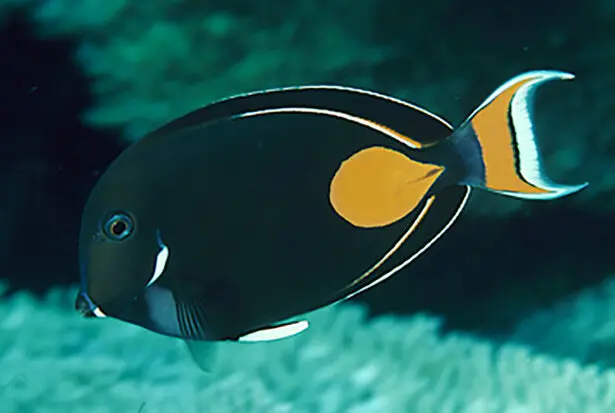
Acanthurus achilles
A surge-zone surgeonfish of clear, oxygen-rich outer reefs, usually close to wave-washed rock and coral.
View species profile →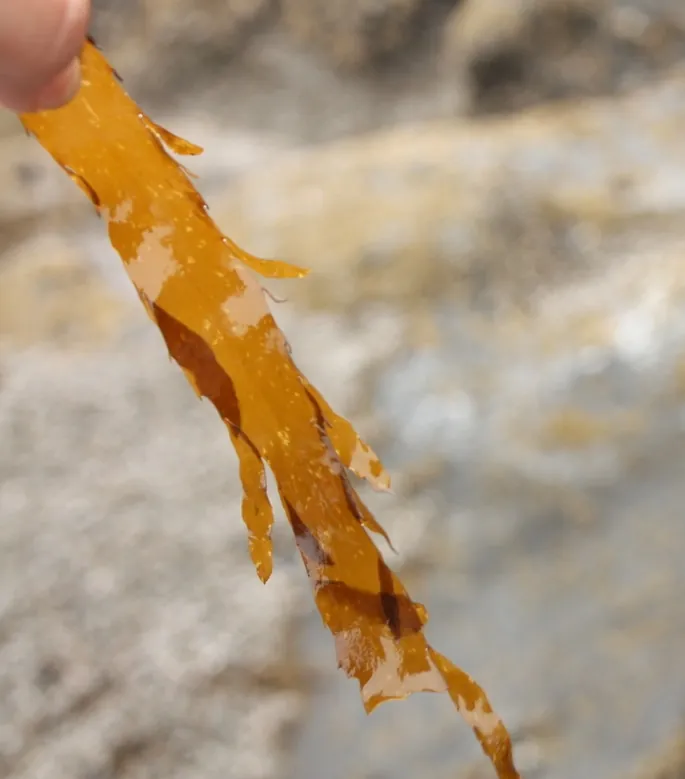
Desmarestia ligulata
A brown seaweed that can release stored sulfuric acid when stressed.
View species profile →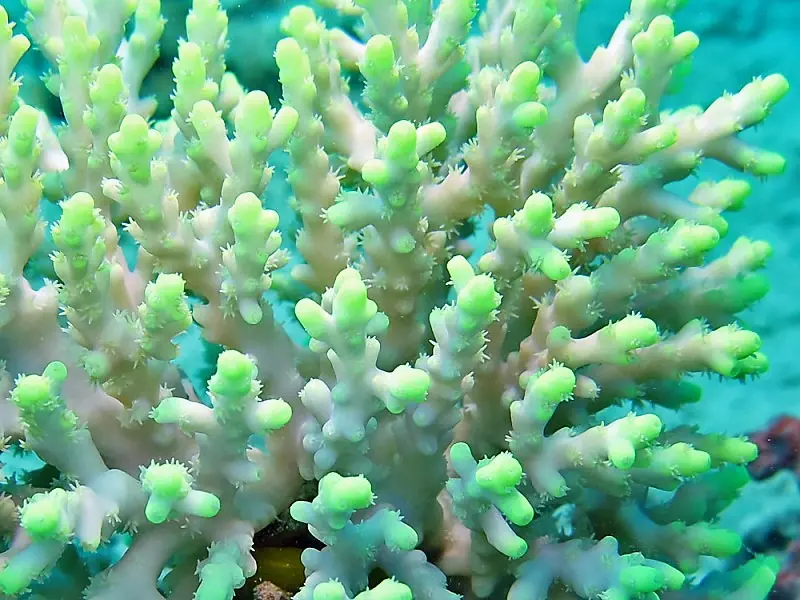
Acropora aculeus
A branching Indo-Pacific reef coral represented here by two source-identified records from Lizard Island.
View species profile →
Acropora aspera
A branching or table-forming Acropora associated with shallow reef flats, lagoons, and other tropical reef habitat.
View species profile →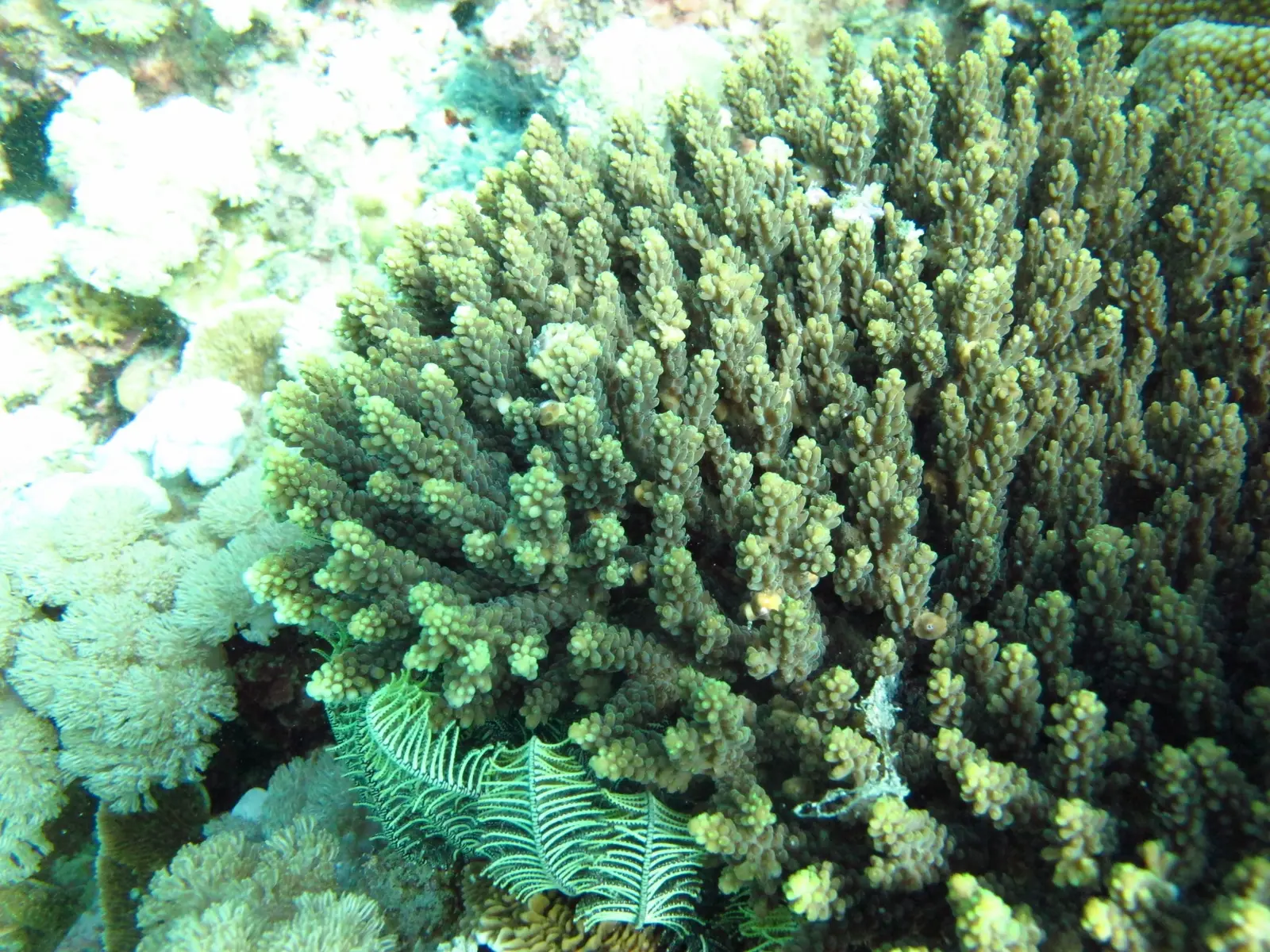
Acropora cerealis
A branching Indo-Pacific Acropora represented by a source-identified colony from Torres Strait.
View species profile →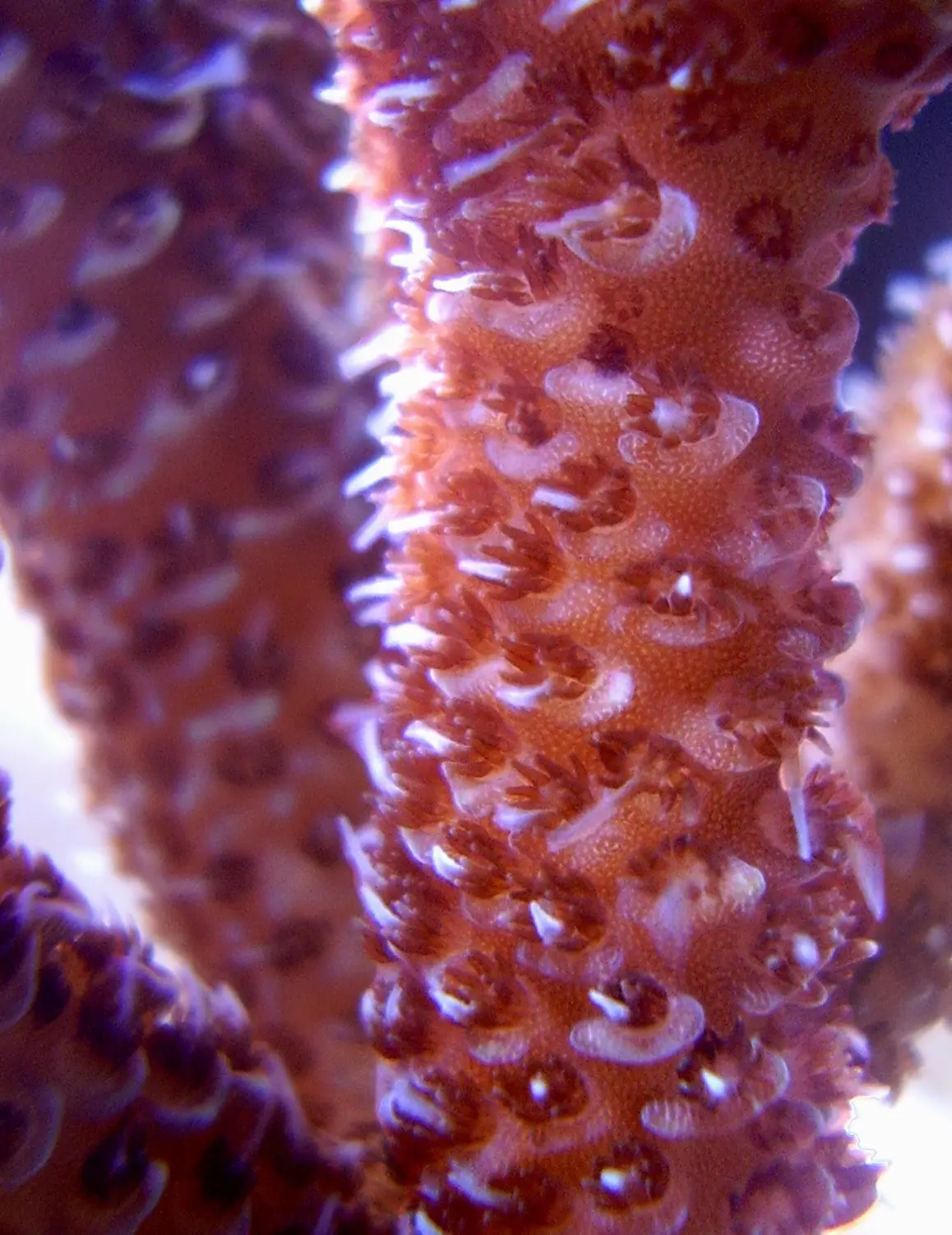
Acropora spp.
A genus-level collection of branching Acropora records, including owner-supplied aquarium trade forms whose species and commercial lineages are unconfirmed.
View species profile →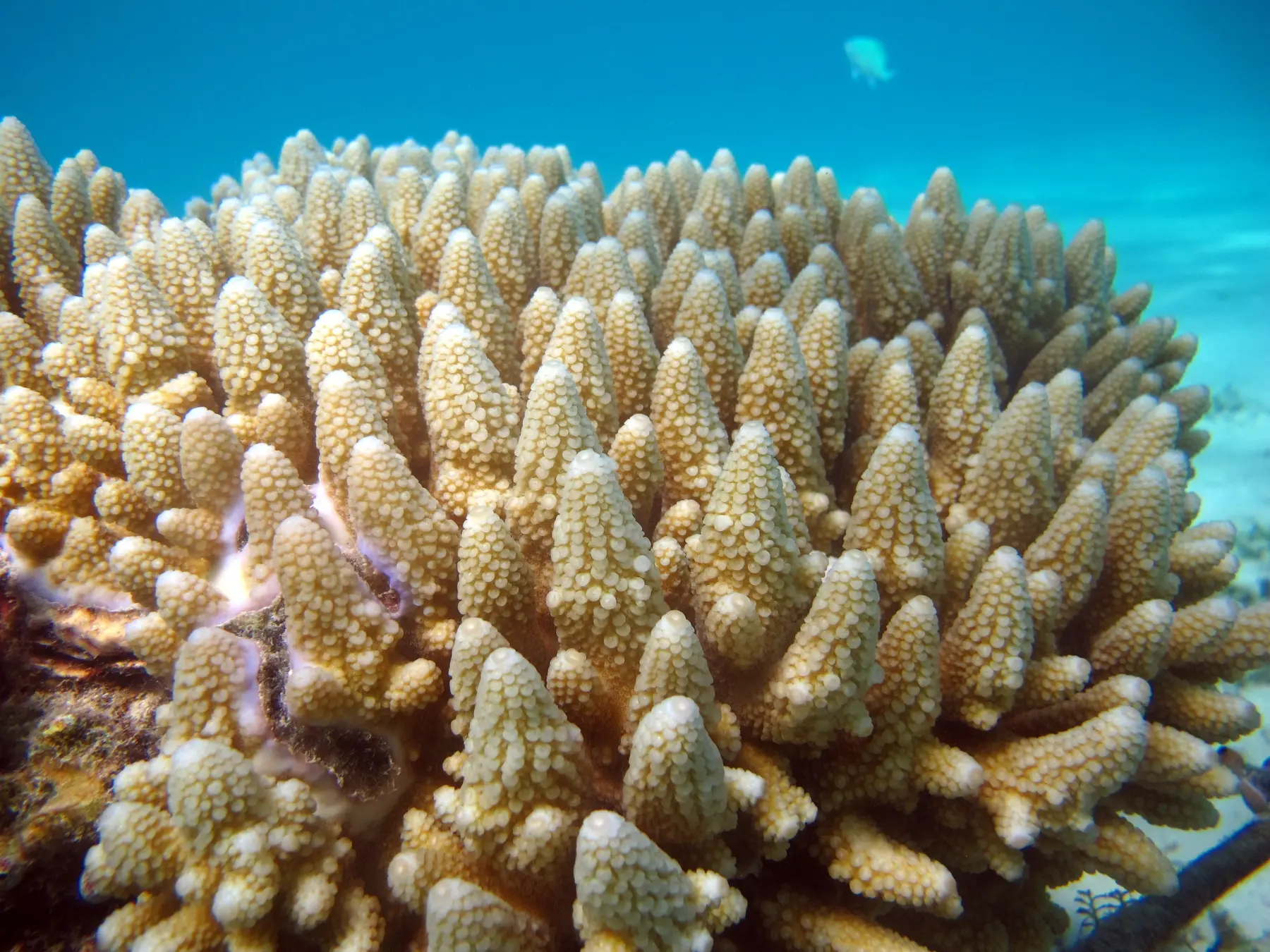
Acropora gemmifera
A robust branching Acropora represented by a source-identified Maldives record.
View species profile →
Acropora nana
A branching Indo-Pacific Acropora represented here by a source-identified colony from Mer Island in Torres Strait.
View species profile →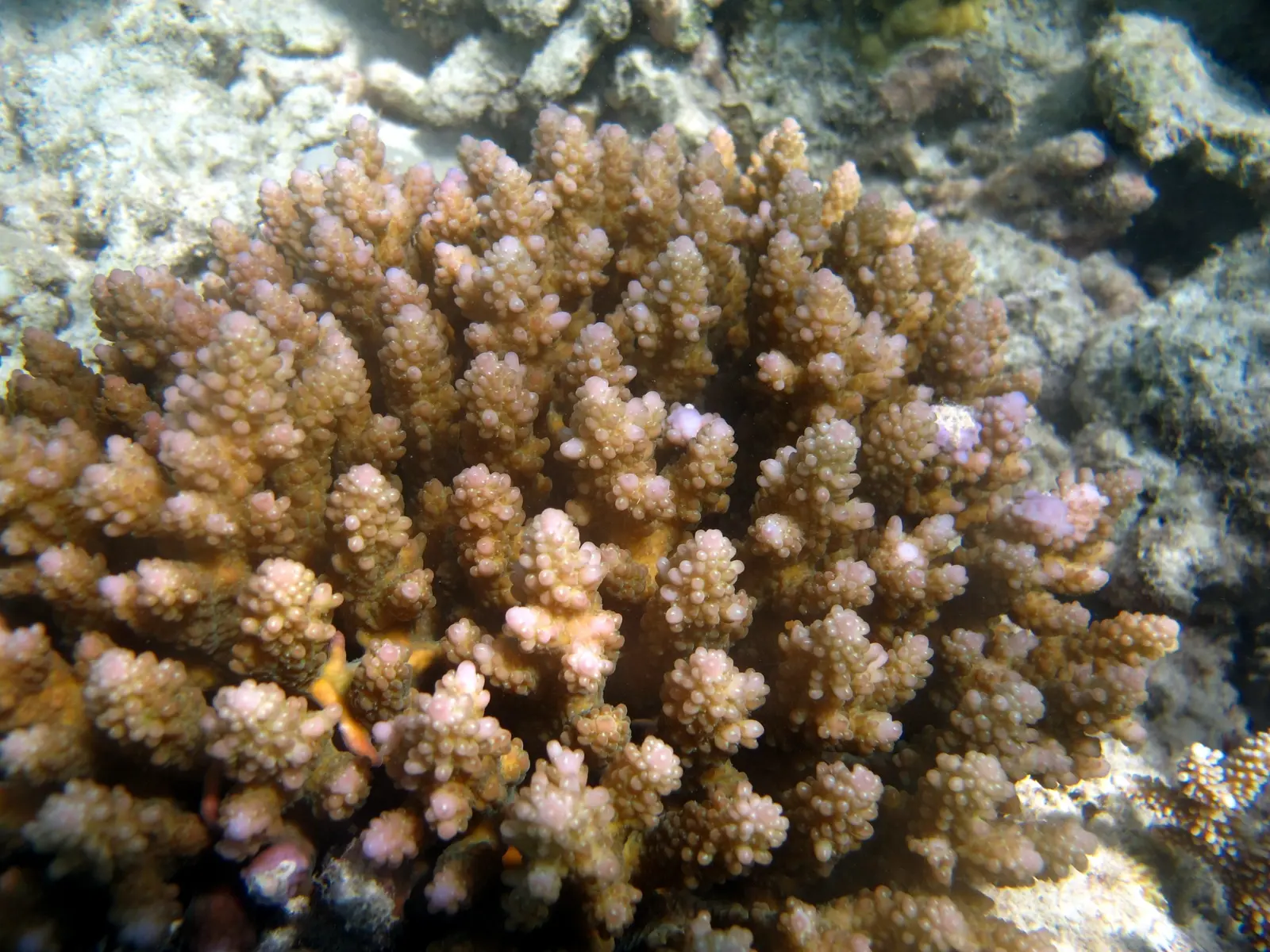
Acropora polystoma
A source-identified Indo-Pacific Acropora associated with shallow, wave-exposed reef habitat.
View species profile →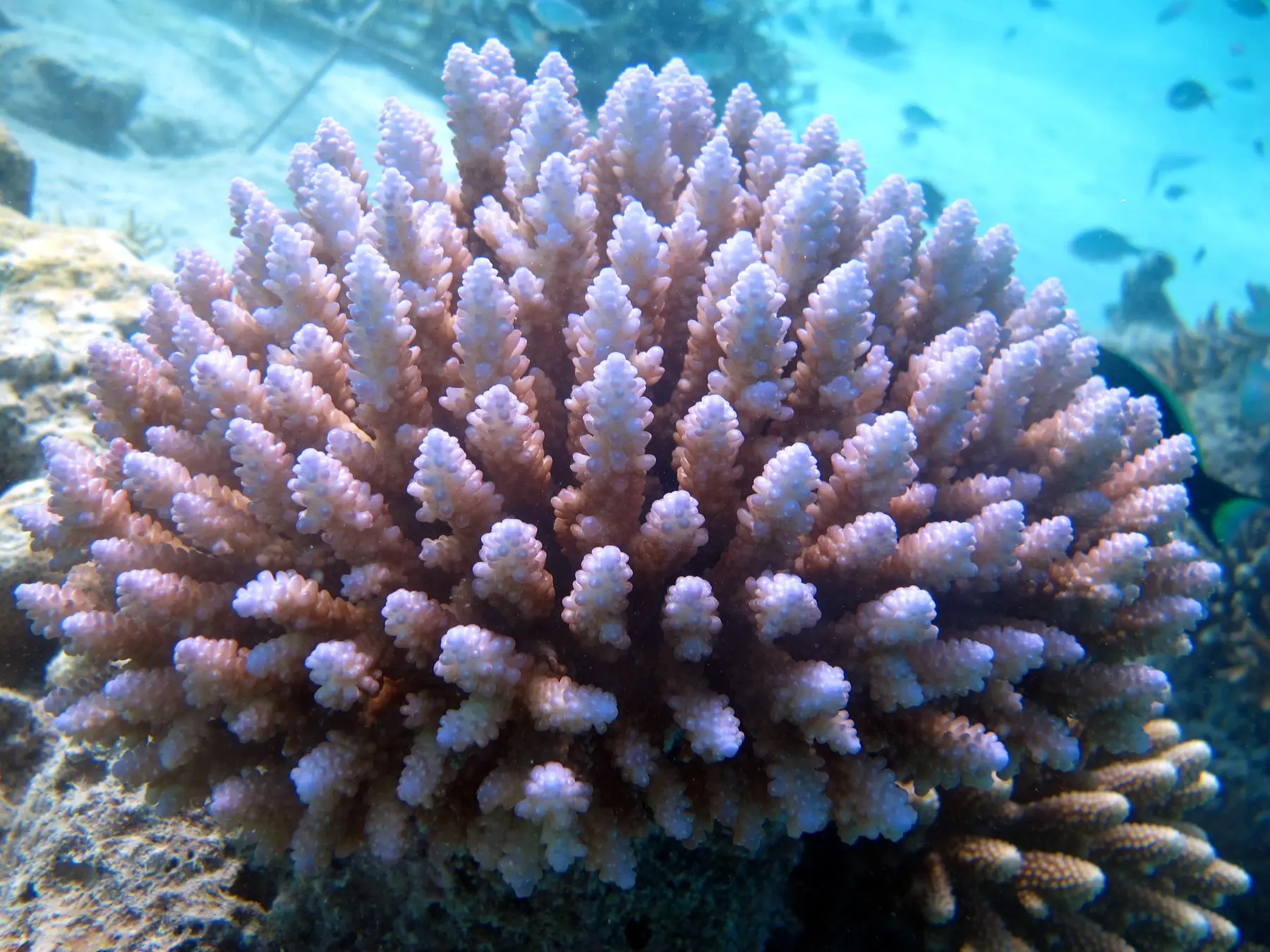
Acropora sarmentosa
A branching Indo-Pacific coral represented by a source-identified Maldives record.
View species profile →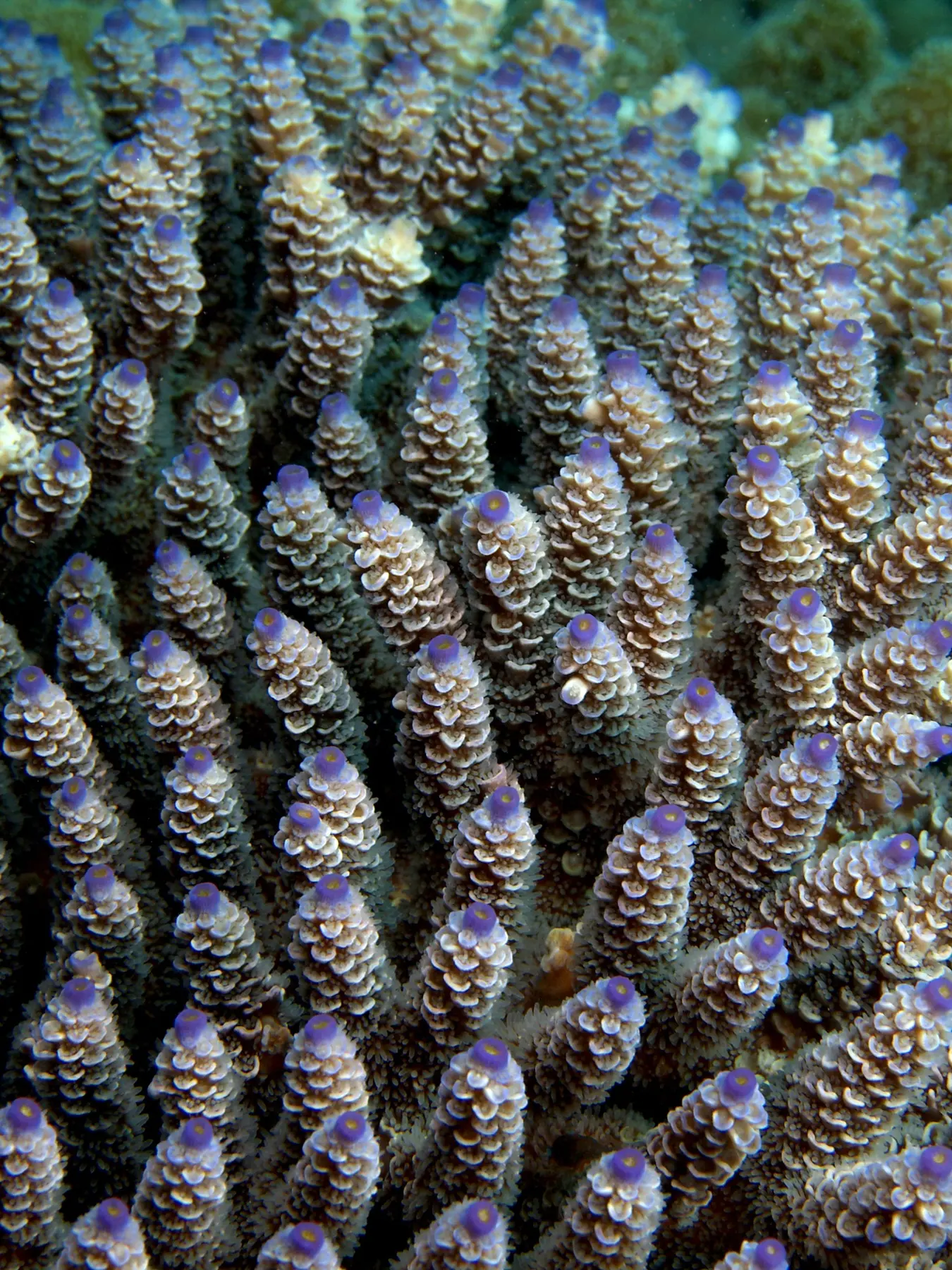
Acropora secale
A branching Indo-Pacific Acropora represented by a source-identified reef record.
View species profile →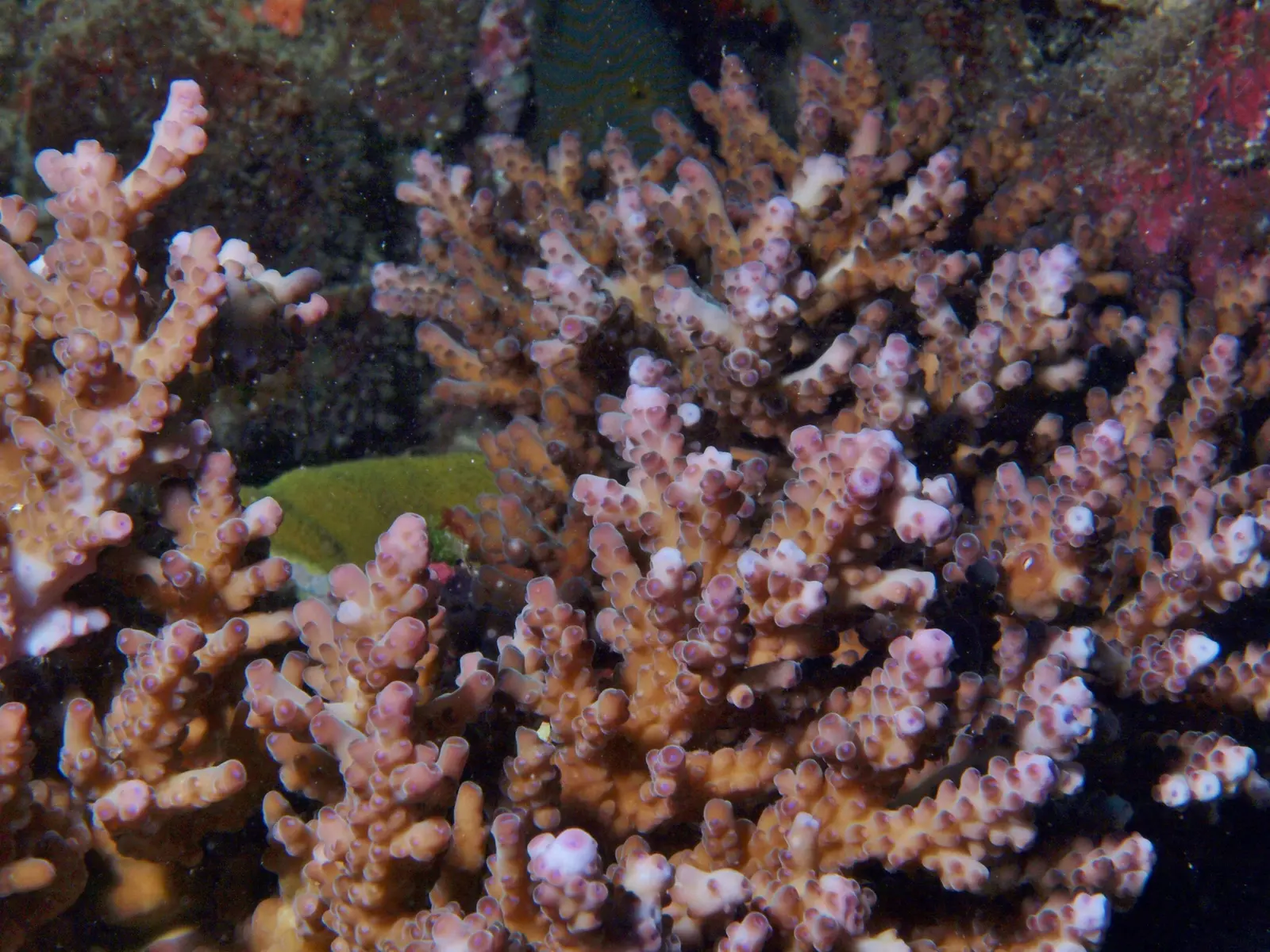
Acropora solitaryensis
A plate-forming or branching western Pacific Acropora associated with tropical and subtropical reef habitat.
View species profile →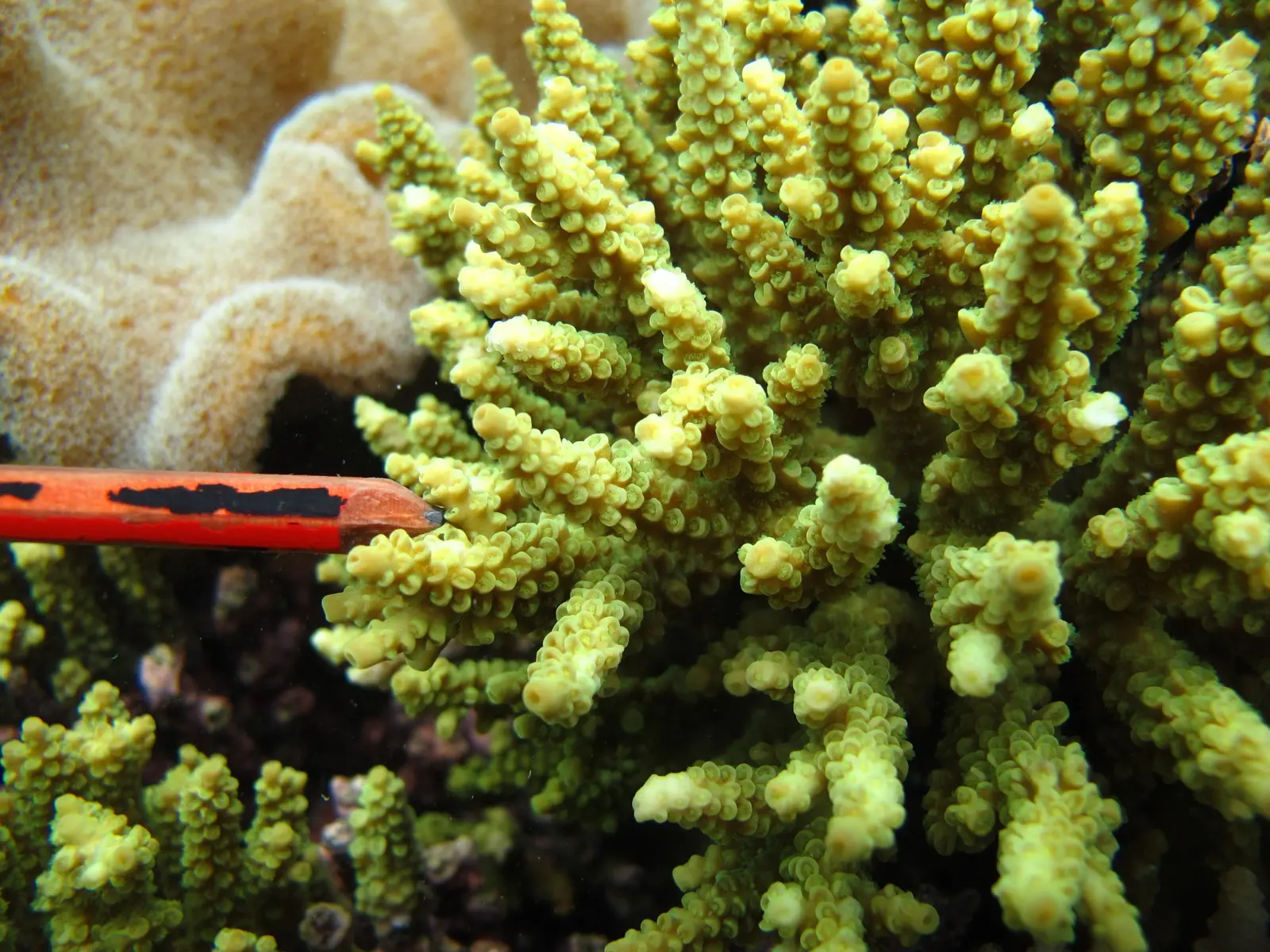
Acropora tenuis
A branching Indo-Pacific reef coral represented here by a source-identified corallite record from Torres Strait.
View species profile →
Cirrhilabrus adornatus
Adorned Fairy Wrasse. Rubble on outer reef slopes.
View species profile →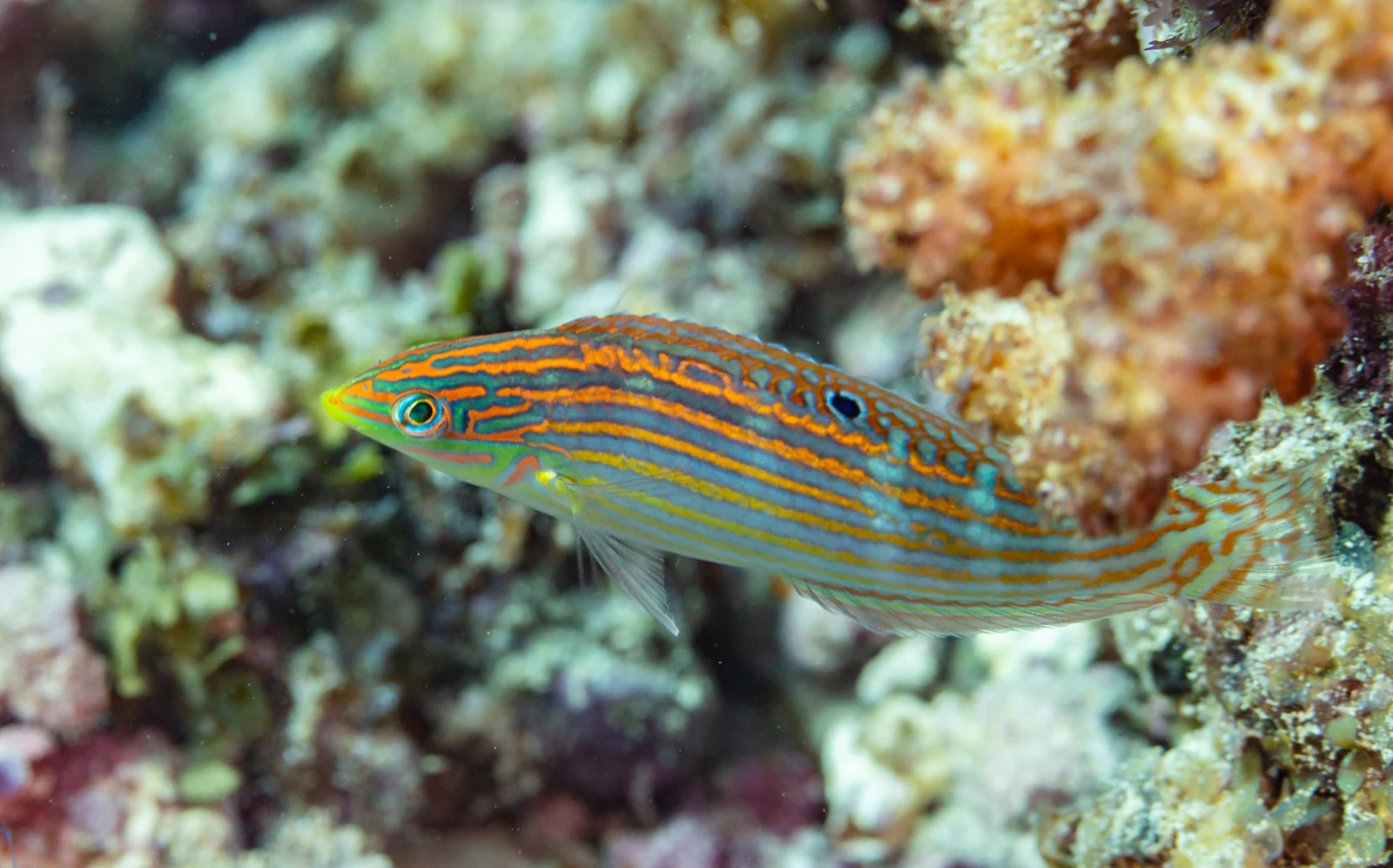
Halichoeres cosmetus
Adorned Wrasse is a marine wrasse in the family Labridae. Shallow coral and rocky reefs, with mixed coral and rubble on lagoons and outer slopes.
View species profile →Pristiophorus nancyae
Five lateral gill slits, paired snout barbels nearer the mouth, ridged bases of large saw teeth and two dark longitudinal snout stripes.. Western Indian Ocean; confirmed from Mozambique, with additional published Kenya and Socotra records. Somali and Pakistani specimens require separate identification.
View species profile →
Centropyge acanthops
A dark blue to black pygmy angelfish with a golden-orange head and back and a pale golden caudal fin. It differs from western Atlantic C. aurantonotus.
View species profile →
Cirrhilabrus africanus
A fairy wrasse associated with coral and rubble slopes in the western Indian Ocean, swimming above the bottom to feed.
View species profile →
Trichechus senegalensis
Grey-brown wrinkled skin, rounded paddle tail, bristled lips and nails on the flippers; the only living sirenian native to this range.. Western African coastal and connected inland waters, from southern Mauritania toward northern Angola.
View species profile →Eridacnis sinuans
Small, slender grey-brown shark with a long ribbon-like caudal fin and relatively long snout compared with its congeners.. Southwestern Indian Ocean off South Africa, Mozambique and Tanzania.
View species profile →Galeus polli
Small narrow-headed shark with a long snout, large eyes and upper-tail denticle crest. Eastern Atlantic along western Africa, from southern Morocco toward Namibia.
View species profile →Bathyraja smithii
Softnose skate requiring specialist diagnosis; do not confuse with eatonii.. Southern African waters.
View species profile →Holohalaelurus punctatus
Very broad head, dense small brown spots, tiny dark pores under the head and conspicuous pale marks near fin origins; mouth corners lack labial furrows.. Western Indian Ocean: northeastern South Africa, Mozambique and Madagascar. Older tropical East African records require taxonomic review.
View species profile →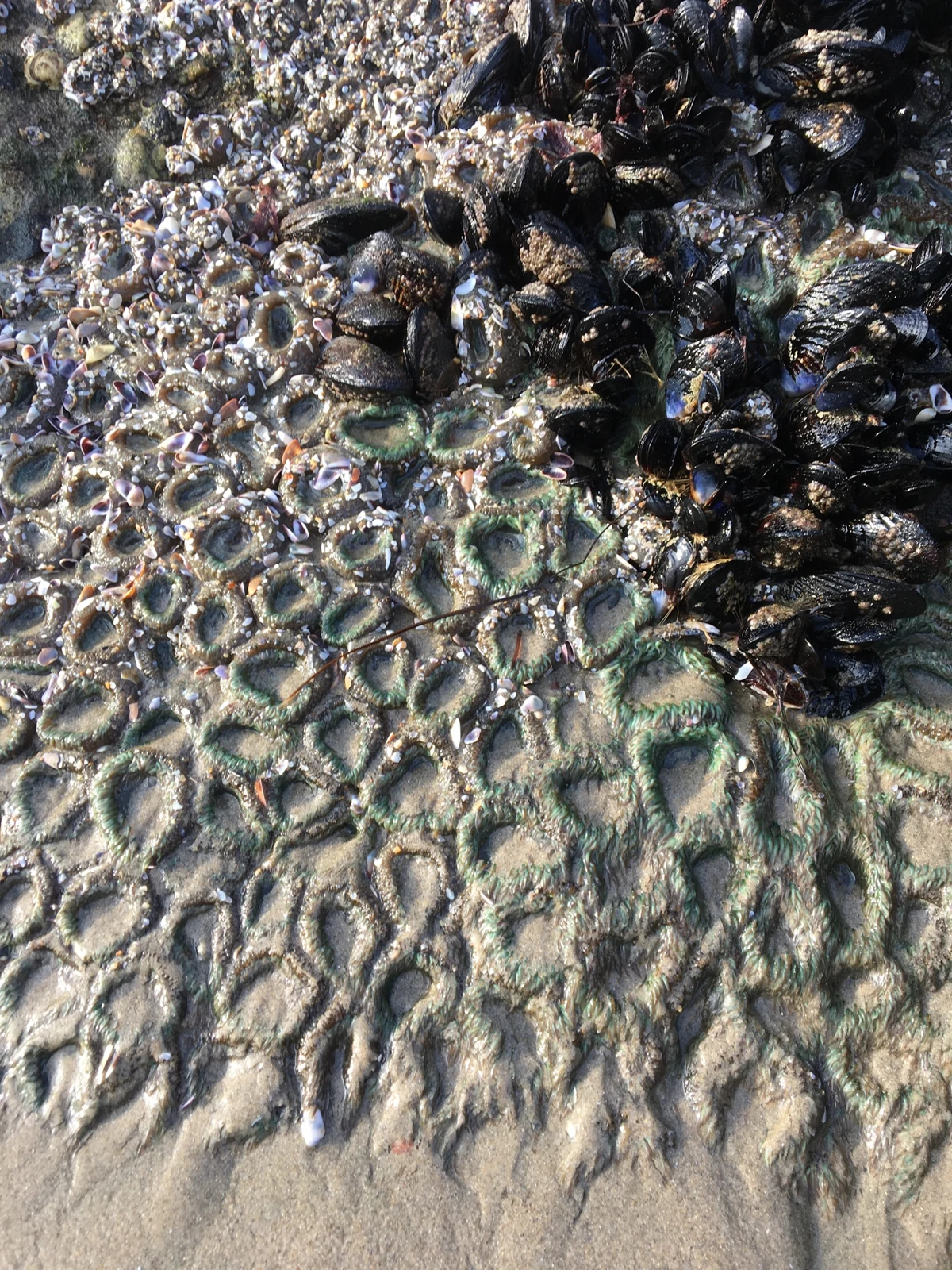
Anthopleura elegantissima
A small intertidal anemone that forms dense clonal patches; symbiotic algae contribute energy.
View species profile →Bathyraja aguja
Reliable identification requires the species diagnosis or a regional skate key; no simple photograph-only field mark was verified.. Southeastern Pacific: Ecuador south to Peru.
View species profile →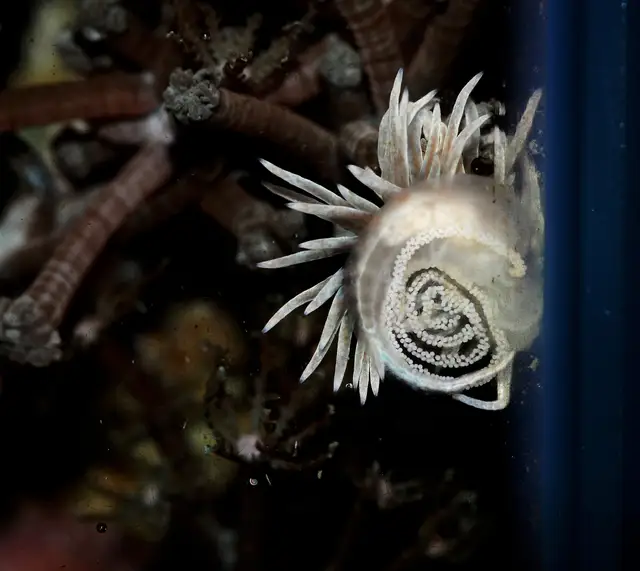
Berghia stephanieae
The captive-bred Berghia used for Aiptasia control, with a specialised food requirement that continues after an infestation is removed.
View species profile →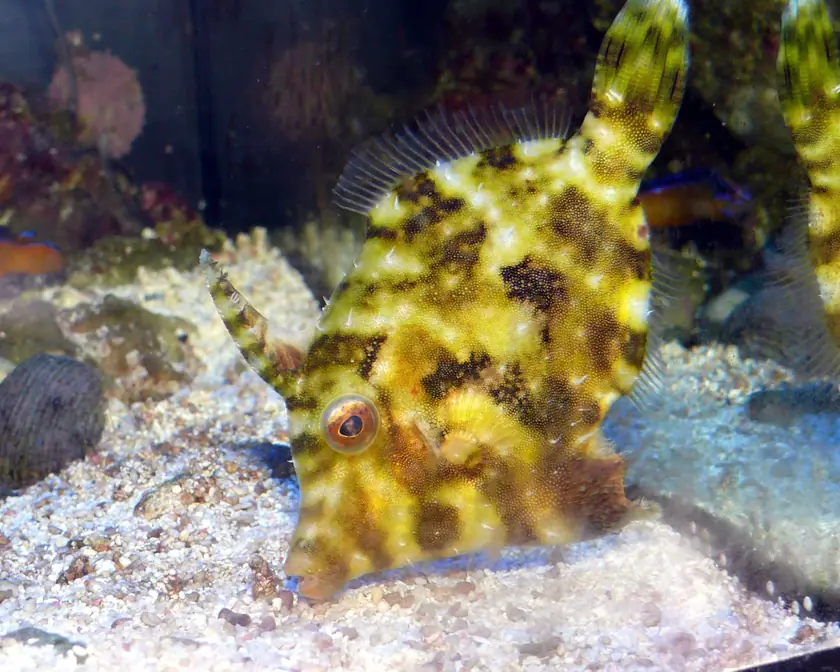
Acreichthys tomentosus
A small, camouflaged filefish also called the bristle-tail leatherjacket. Its aquarium reputation comes from eating pest Aiptasia anemones, although individual performance varies and it also eats other foods.
View species profile →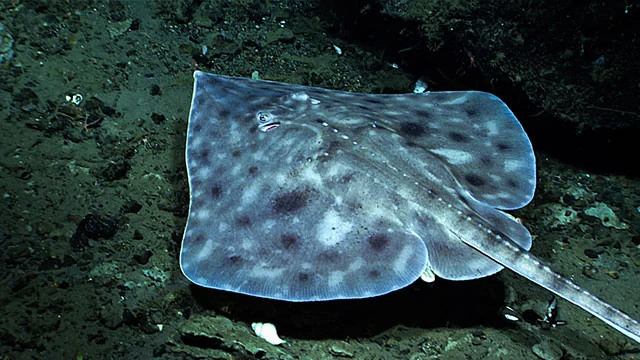
Bathyraja aleutica
Paired scapular thorns and a midline thorn row on a long tail are reported; confirmation requires a regional key.. North Pacific: Korea, Japan and Sea of Okhotsk north to Aleutian Islands (U.S.A.), then southeastern Gulf of Alaska (U.S.A.) south to central California (U.S.A.).
View species profile →Pavoraja alleni
Confirm using the original diagnosis or a regional skate key; no reliable simple photograph-only field mark verified.. Northwest Australian endemic, Bonaparte Archipelago to Monte Bello Islands.
View species profile →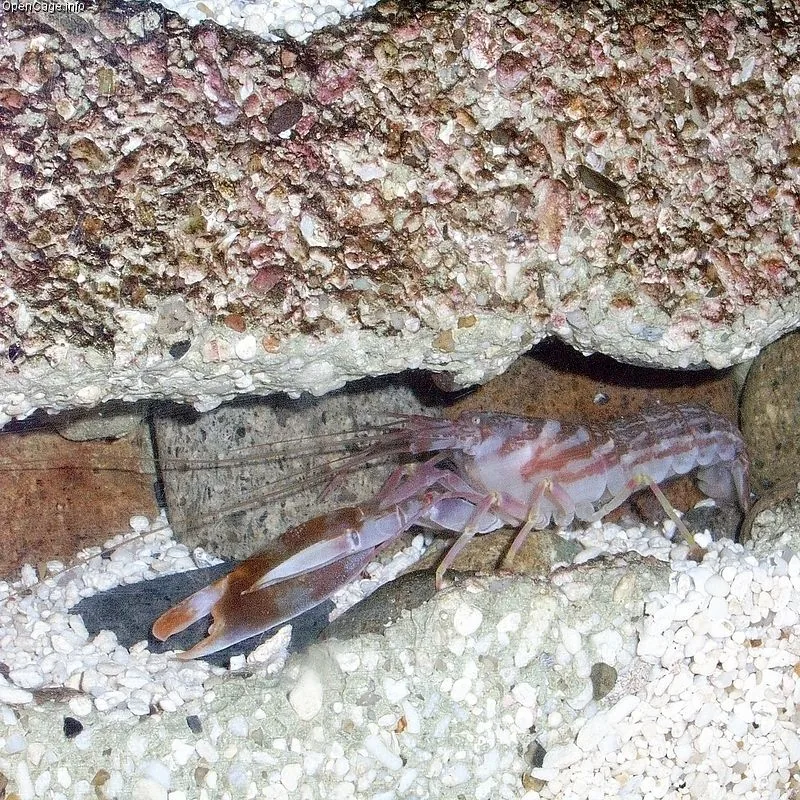
Alpheus digitalis
A snapping shrimp whose supplied aquarium photograph uses the older name Alpheus distinguendus.
View species profile →
Inia geoffrensis
Long beak, flexible neck, large flippers and low dorsal ridge; colour ranges from grey to pink and changes with age and individual history.. Amazon and Orinoco drainage basins of South America under the SMM single-species treatment.
View species profile →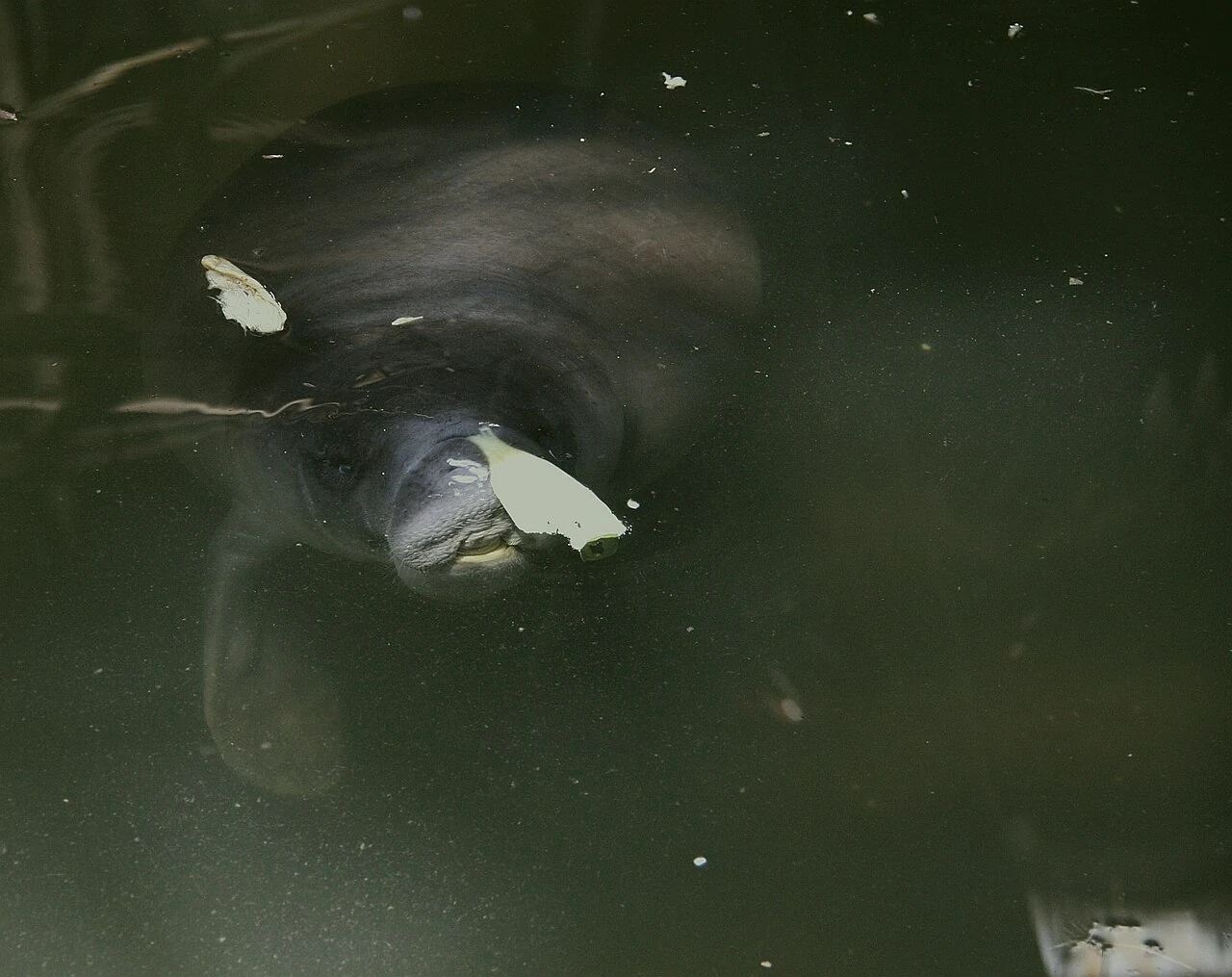
Trichechus inunguis
Smooth dark-grey to black skin, usually pale chest or belly patches, rounded paddle tail and flippers without nails.. Amazon basin and connected freshwater tributaries in northern South America.
View species profile →
Thelenota anax
A large tropical sea cucumber of reef slopes, lagoons, and sandy or rubble-strewn bottoms.
View species profile →Akheilos suwartanai
Pale brown catshark with numerous rusty spots, similar-sized dorsal fins, a short rounded snout and well-developed mouth-corner grooves.. Known from a specimen collected in the Ambon–Seram area, Maluku Islands, eastern Indonesia.
View species profile →
Pomacentrus amboinensis
A shallow lagoon and reef-flat damselfish associated with branching corals, rubble, and sandy reef margins.
View species profile →Schroederobatis americana
Heart-shaped smooth disc, slender leg-like anterior pelvic lobes, pointed snout filament and no dorsal fins.. Western Atlantic: southern Caribbean and northern South America, including Hispaniola and Honduras to Suriname.
View species profile →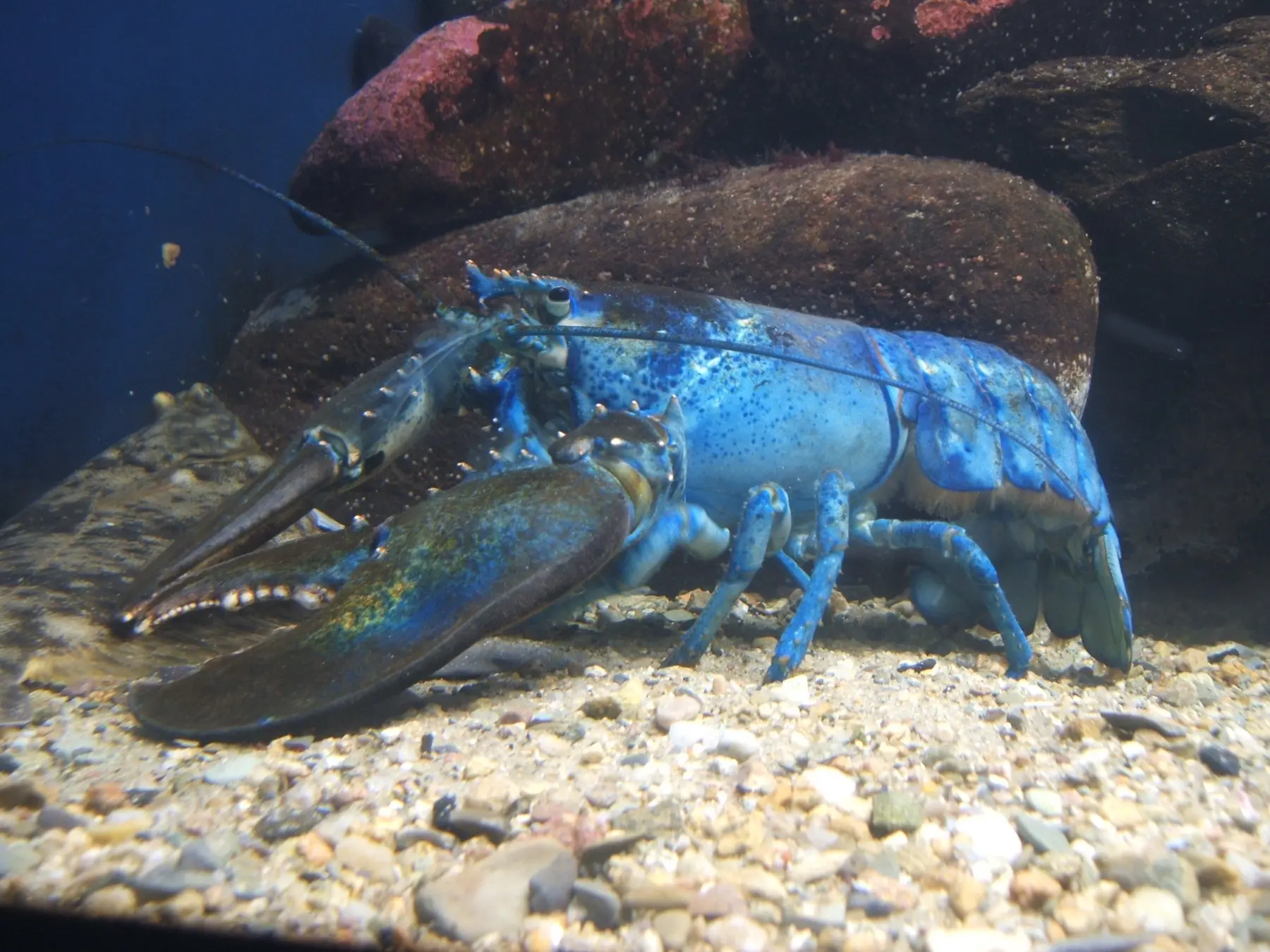
Homarus americanus
A large clawed lobster of the northwest Atlantic continental shelf, living on rocky, gravel, and mixed seabeds that provide shelter.
View species profile →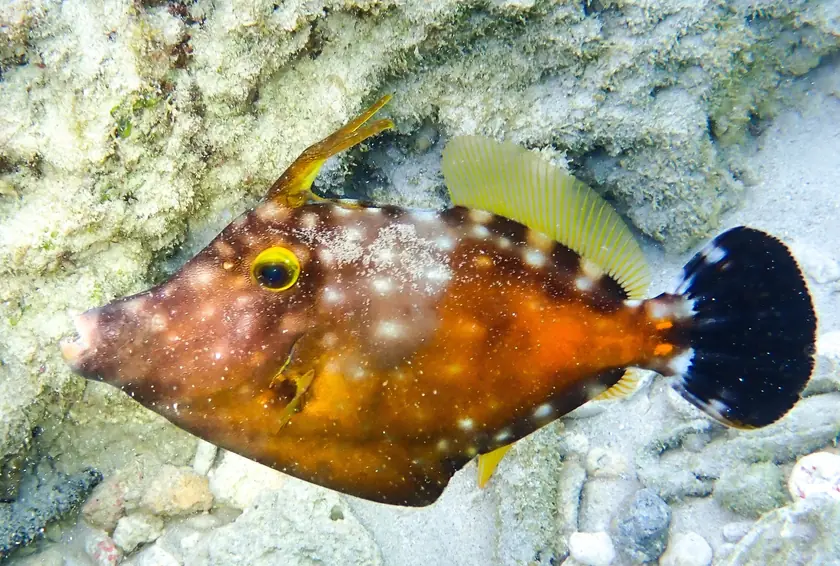
Cantherhines macrocerus
A large Atlantic reef filefish with variable spotting and two pairs of conspicuous spines at the tail base.
View species profile →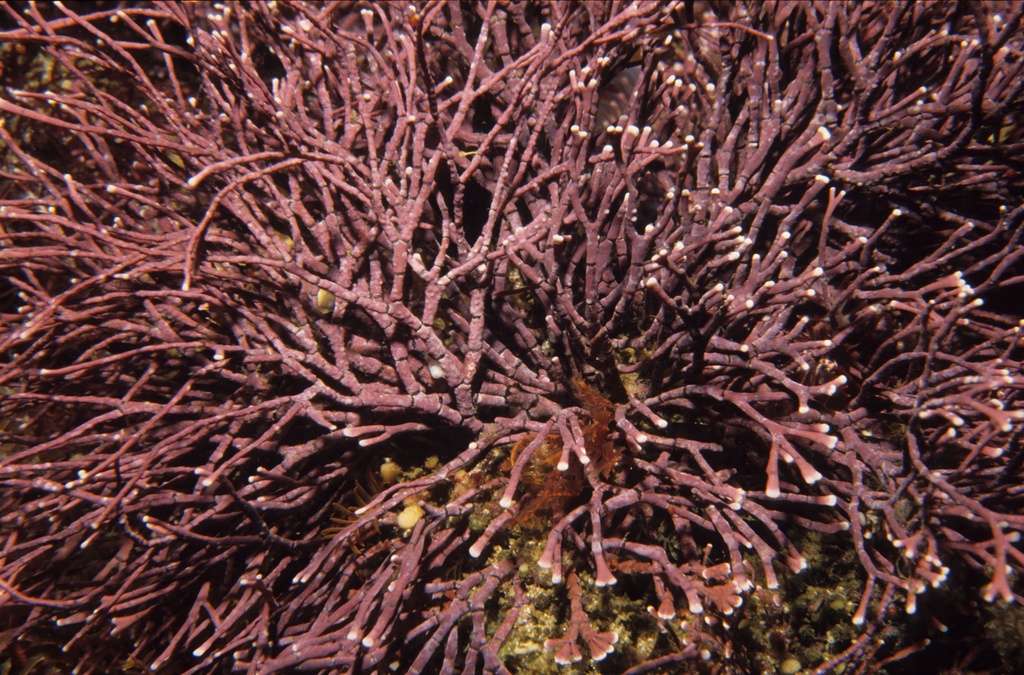
Amphiroa sp.
Amphiroa articulated coralline algae (Amphiroa sp.) is a red alga in the family Lithophyllaceae.
View species profile →Cruriraja andamanica
Redescription diagnosis includes a single enlarged mid-disc thorn row multiplying along the tail, rostral/nuchal/scapular thorns, short interdorsal space and pale dorsal fins and tail tip.. Indian Ocean: Tanzania; Myanmar; Nicobar Islands (India).
View species profile →Sinobatis andamanensis
Narrow disc, long snout with bulbous tip and short filament; fresh specimens bluish, underside partly translucent.. Andaman Sea off Phuket, Thailand.
View species profile →Mustelus andamanensis
No small white body spots; first dorsal dark above without white margin, second dorsal dark distally, narrow pale caudal edge and dark terminal tip. Eastern Indian Ocean, Myanmar and Thailand to Andaman and Nicobar Islands, India.
View species profile →Mesoplodon bowdoini
Dark body, pale beak tip and paired broad teeth in adult males near the middle of an arched lower jaw.. Temperate Southern Hemisphere waters, with records around New Zealand, southern Australia and subantarctic islands.
View species profile →Showing 48 of 2152 species profiles
The BCDE standard
This public library is separated from BCDE’s private operational systems and displays only material intended for education.
Scientific names, conservation information, and care guidance are reviewed against trusted sources.
Species are presented as part of habitats, food webs, communities, and wider ocean systems.
Education remains calm, accurate, respectful, and grounded in responsible human relationships with marine life.